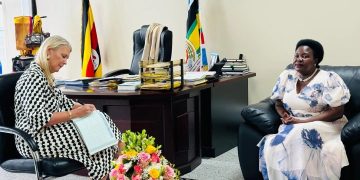
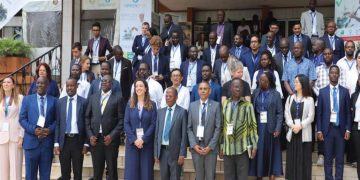
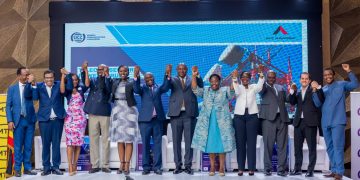



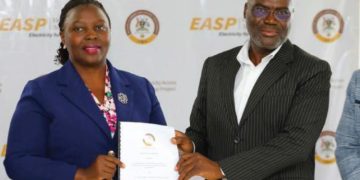
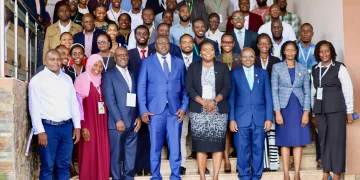
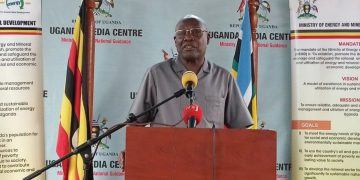

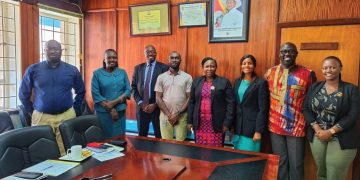

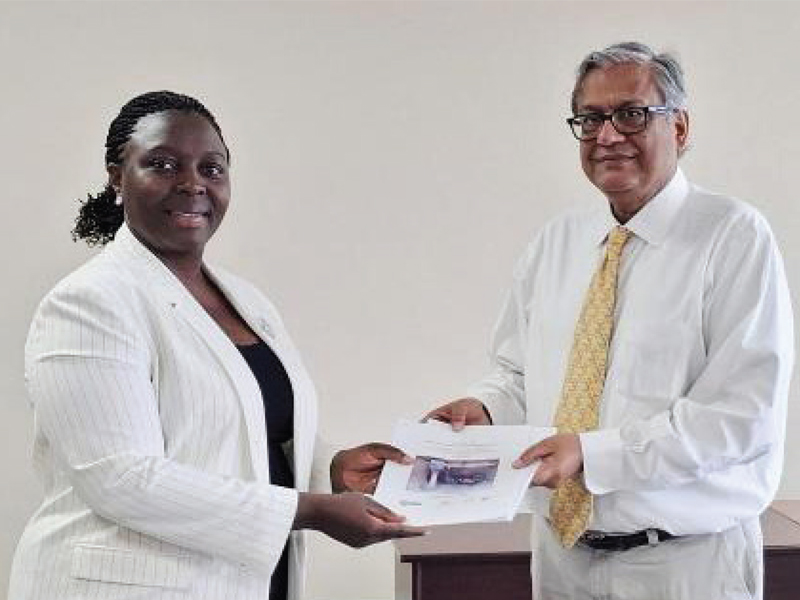
The Ministry of Energy and Mineral Development (MEMD), represented by the Permanent Secretary, held a meeting with Columbia University, represented by Professor Vijay Modi, to formally receive the Implementation Completion Report from Columbia World Projects (CWP). This marked the conclusion of a major phase of collaboration under the initiative titled “Using Data to Catalyze Energy Investments.”
Launched in 2022, the initiative mobilized USD 4 million to support Uganda’s electrification efforts by identifying and mapping over 18,000 SMEs across the country that can benefit from the Productive Use of Electricity.
These include small farms, retail businesses, agro-processing operations, and light manufacturing entities that can significantly benefit from reliable electricity access. The initiative shifts the conversation from electricity as a basic service to electricity as a catalyst for economic growth and income generation. The project combined field surveys, satellite imagery, and machine learning to build a high-resolution spatial dataset of energy needs and investment opportunities.
An open-source digital platform was developed to host this data, providing stakeholders such as government planners, private investors, and development partners with access to insights for more targeted and impactful energy planning.
As part of the initiative, CWP developed open-source software tools, which will be transferred to MEMD to enhance national capacity in energy planning and investment coordination.
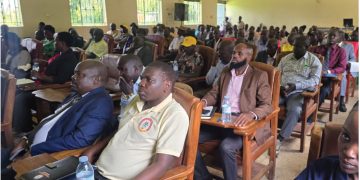
MEMD personnel have been trained in the use of the systems and datasets, enabling the Ministry to apply them in ongoing and future electrification planning efforts.
Currently, the CWP team is supporting electrification planning in Madi Okollo and Obongi districts, contributing to localized insights that will guide public investment and support Uganda’s national electrification goals.
This handover marks a key milestone in the collaboration between Uganda and Columbia University, demonstrating how data-driven approaches and academic research can foster inclusive energy access and economic opportunities, particularly in rural and underserved areas.