





















1. What is Bioethanol and how is it produced?
Bioethanol, also known as ethyl alcohol, is a renewable fuel produced by fermenting sugars derived from plant material like corn, sugarcane, or cellulose and starch-containing materials (such as maize, cassava, sorghum, bananas, etc.)
2. What are the uses of Ethanol?
Ethanol is used for Potable purposes, as a feedstock for the Pharmaceutical, Beverage, and Chemical Industries. Anhydrous (fuel-grade) 99.8% Purity Ethanol is used for blending with Petrol as transportation fuel, 96.4% Purity Extra Neutral Alcohol is used in Beverage industries to produce spirits and 84% Ethanol is used as a cooking fuel (tier-5 clean cooking fuel).
3. What is the difference between Ethanol for Potable Alcohol and Fuel Grade Ethanol for blending with Petrol?
Potable Ethanol has 96.4% Ethanol content. Fuel Grade Ethanol used for blending has an Ethanol content of more than 99.5% and should meet the Uganda Standard (US) 916: 2021, Denatured ethanol for blending with gasoline — Specification.
4. What is the National Biofuels Blending program?
The program was initiated by the Government of Uganda (GoU) to promote the use of locally produced Bioethanol as transportation fuel blended with Petrol to reduce greenhouse gas emissions as well as importation of fossil fuel. Additionally, the program is part of GoU’s efforts to enhance energy security, environmental sustainability, while delivering many other socio-economic benefits.
5. How Ethanol blending in Petrol is beneficial?
Ethanol has a higher Octane Number of between 108 to 113 compared to petrol (gasoline) of 87 to 93. This improves combustion efficiency as well as engine power and performance and hence significantly reduces pollutants (Carbon Monoxide, Sulphur Oxides, Nitrogen Oxides, Hydrocarbon, and Particulate Matter) in vehicle exhaust when compared with unblended fossil fuels on combustion.
6. What are the effects of blended petrol on vehicle performance?
A blending ratio of ethanol by volume of up to 20% does not alter the performance of the vehicles currently on Uganda’s market and does not require any engine modification. The blend offers advantages as described above.
7. What are the targets set under the Programme and the current status?
The Blending Programme, which commenced on July 1st, 2025, will mandate a 5% (E5) blend by-volume ratio of ethanol into petrol. This is already facilitated by a comprehensive legal framework comprising the Biofuels Act 2020, which provides for blending to 20%; the Energy Policy, 2023 and the Biofuels Regulations 2022. Furthermore, from time to time, depending on the availability of biofuel feedstock, the Minister shall declare the optimum blending ratio of biofuel per volume of the different petroleum products for the country.
8. What are Blending Locations?
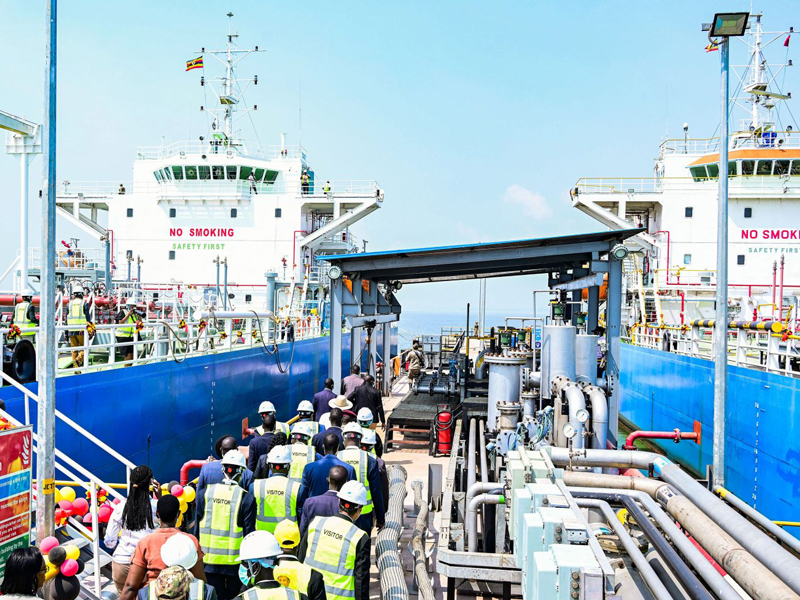
Blending shall initially be done at the four main border through which the country receives its supply of petroleum products (petrol and diesel). These include: Busia, Malaba, Mutukula and Kawuku Fuel Terminal on shores of Lake Victoria. Blending protocol will evolve along as the landscape of petroleum product supply evolves.
9. What is the Pricing of Ethanol for Blending and how will affect Pump Prices?
In line with the government’s ongoing efforts to lower costs of energy for Ugandans, prices for ethanol which are already below the prevailing pump prices are expected to further come down as more producers come on board, positively impacting the overall pump price. This is even further supported by the government policy where all denatured ethanol is currently exempted from taxes.
10. What are the License Categories?
The specific license type you need might depend on your biofuel production activities:
- Production license: For facilities manufacturing biofuels (e.g., ethanol or biodiesel).
- Storage and transport license: For facilities storing and transporting biofuels.
- Blending license: For facilities blending biofuels with conventional fuels.