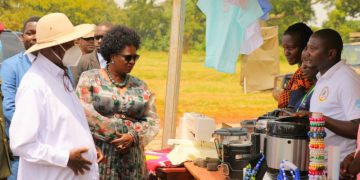
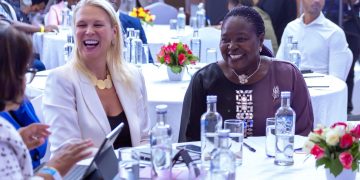
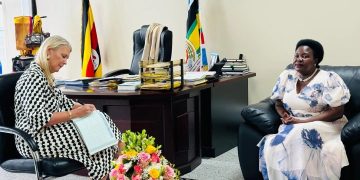
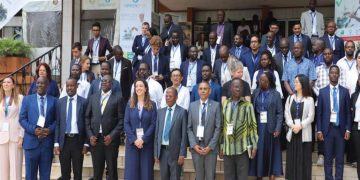


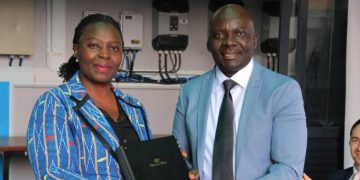
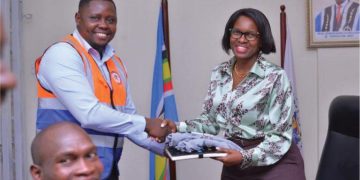
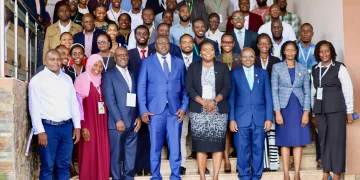
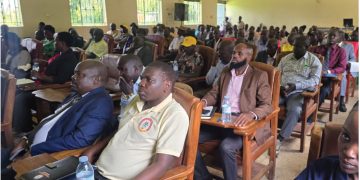
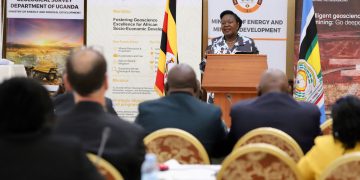

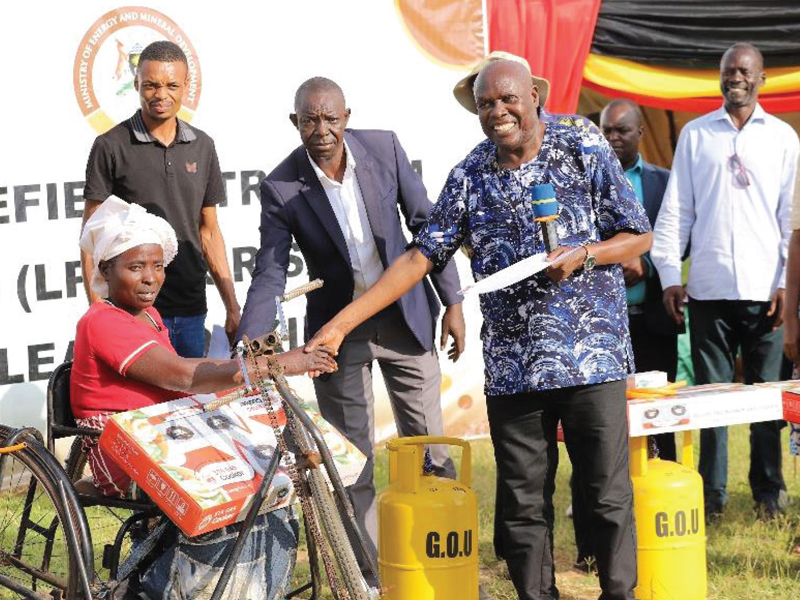
The Minister of State for Energy, Hon. Okaasai Sidronius Opolot, officially launched the Liquefied Petroleum Gas (LPG) Starter Kit Distribution Project in Kumi District, marking a significant milestone in Uganda’s energy transition agenda. The event, held at the Kumi SubCounty Headquarters, was attended by Members of Parliament, district leaders, development partners, religious and cultural representatives, and local community members.
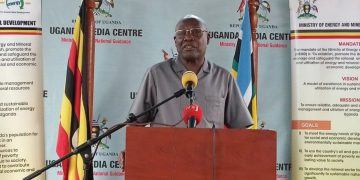
In his address, Hon. Okaasai emphasized that the initiative was not just about providing cooking equipment but represented a transformative leap toward achieving universal access to clean cooking energy by 2030. This goal is especially critical for women and girls who are most affected by the health and environmental challenges posed by traditional cooking methods, such as charcoal and firewood.
The LPG Starter Kit Initiative is part of Uganda’s broader Energy Transition Plan, which was launched at COP28 in Dubai. The plan aims to distribute starter kits to one million households over five years
In this project households will receive LPG starter kits. Each kit contains a 13kg LPG cylinder, stove, regulator, hosepipe, and user training. Beneficiaries are required to pay UGX 100,000 to cover the gas content, fostering ownership and responsibility.
Hon. Opolot highlighted several benefits of LPG adoption, including a reduction in indoor air pollution, time savings for women and girls, and a decrease in deforestation. Uganda loses over 90,000 hectares of forest annually due to reliance on biomass fuels. The Minister also pointed to ongoing efforts to improve local LPG infrastructure, including the construction of a cylinder manufacturing plant by Global Gases Group in Luzira and new refilling points being established through partnerships with Total Energies, Vivo Energy, and Stabex.
To ensure the project’s success, the Minister called on local leaders, health workers, and community based groups to promote the safe adoption of LPG. Robust monitoring systems and feedback mechanisms are being put in place to guide the rollout in regions like Karamoja, Busoga, Bugisu, and West Nile.
Hon. Opolot encouraged the people of Kumi to seize the opportunity for a cleaner, safer, and more dignified way of life. He expressed gratitude to both local and international partners for their support and urged collective action to ensure the initiative’s success nationwide.
“This project is more than a distribution, it is a movement,” said the Minister, “toward dignity, health, and empowerment for rural households.”