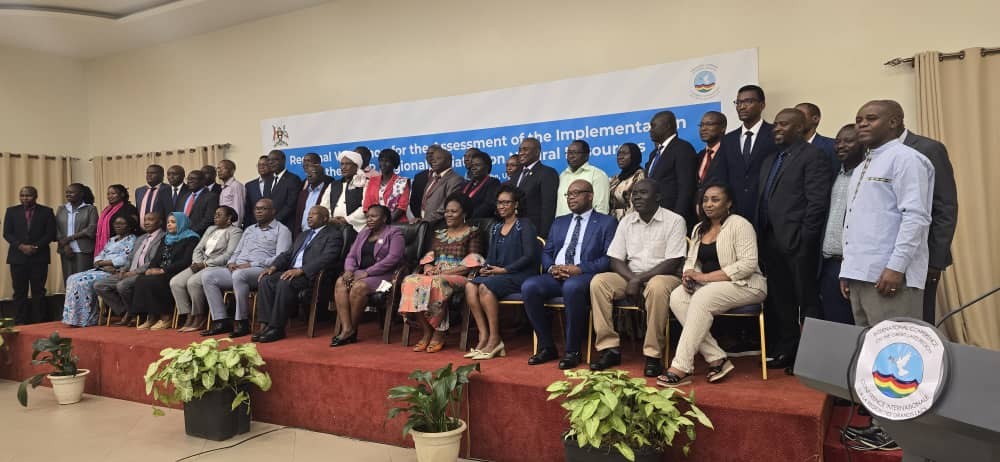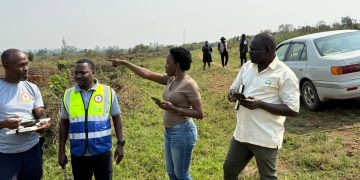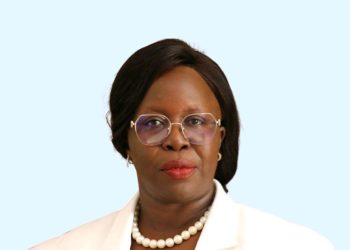
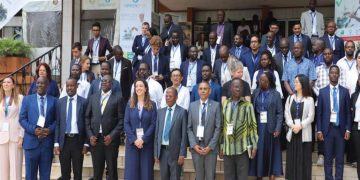
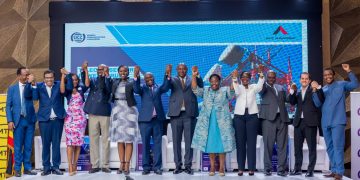



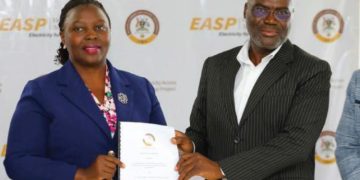
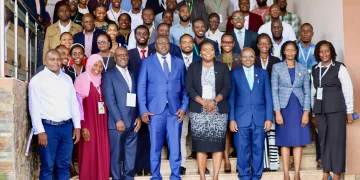
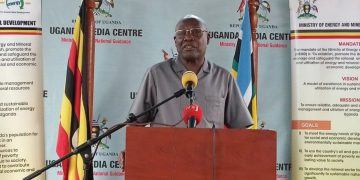
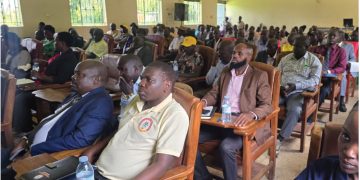
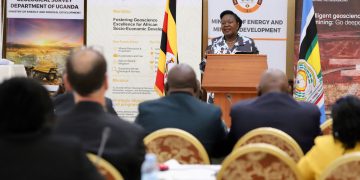

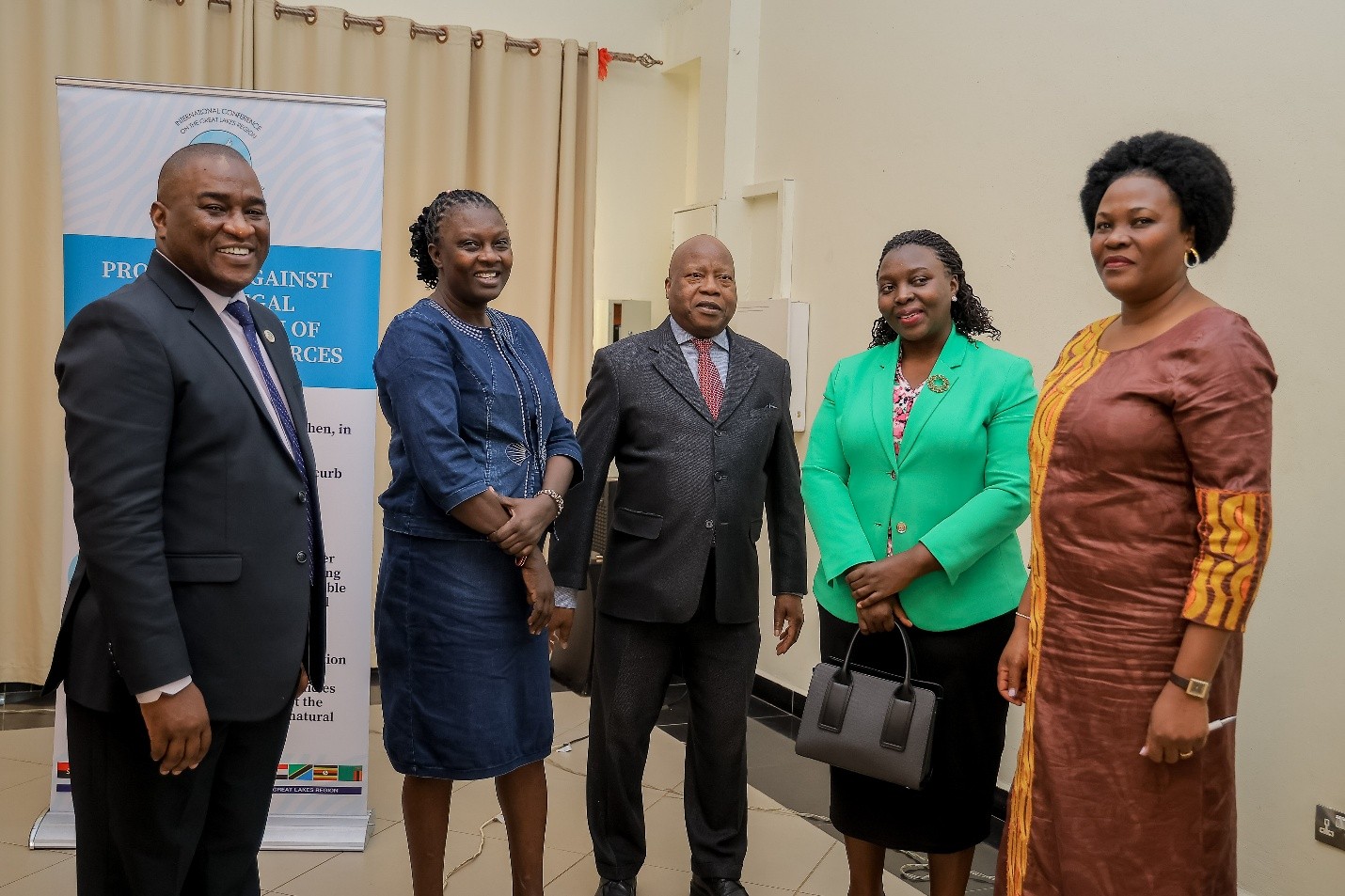
Best Western Premier Hotel, 25th August 2025:Uganda has reaffirmed its leadership in strengthening mineral resource governance in the Great Lakes Region by hosting two high-level workshops under the International Conference on the Great Lakes Region (ICGLR). The first workshop, held in Entebbe from 21–22 August, focused on validating the revised Regional Guide for Artisanal and Small-Scale Mining (ASM) formalization. The meeting was officially opened by Eng. Irene P. Bateebe, Permanent Secretary of the Ministry of Energy and Mineral Development (MEMD).
“Transforming the ASM sector is crucial for transparency, sustainability, and community livelihoods,” she said, noting that formalization reduces fraud, protects the environment, and ensures benefits reach grassroots communities.
The revised guide introduces measures to reduce mercury use in gold processing, in line with the Minamata Convention, and new strategies for gender inclusion. Women make up about 45% of ASM workers in Uganda, many exposed to mercury-related health risks.
The meeting also elected a technical working group leader and agreed on working arrangements to advance the ASM agenda across the 12 ICGLR member states. The event was supported by the European Union through IMPACT.
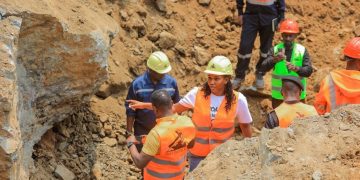
Uganda’s ASM sector employs over 30,000 miners and supports two million livelihoods. In 2022, it contributed 1.9% to GDP, with gold production valued at $850 million. Reforms such as the Mining and Minerals Act, 2022, and the Biometric Registration of Artisanal Miners (BRASM) are addressing sector challenges.
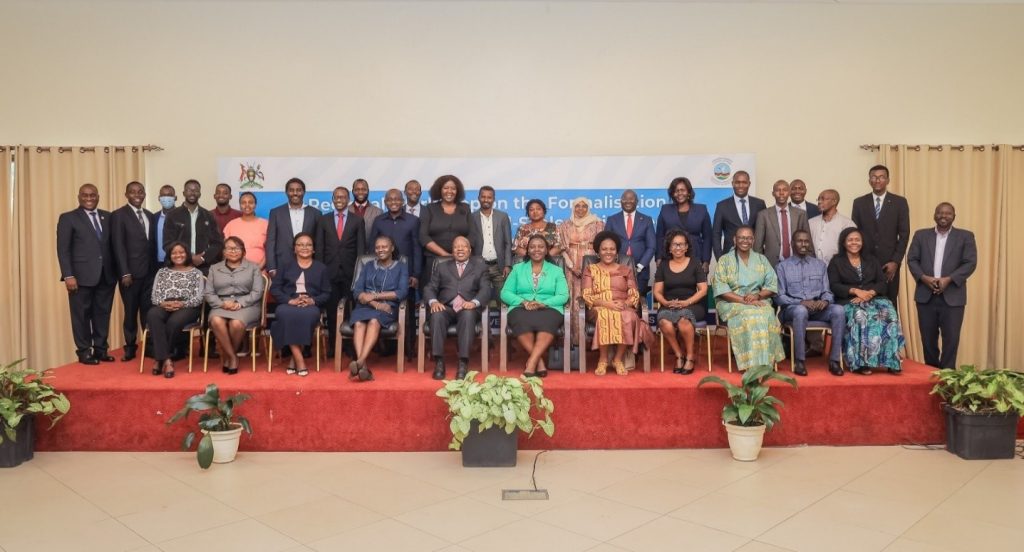
A second workshop followed on 25 August 2025, where stakeholders discussed a draft assessment of the six ICGLR tools under the Regional Initiative against the Illegal Exploitation of Natural Resources (RINR). These tools include the Regional Certification Mechanism, harmonization of laws, mineral flow databases, ASM formalization, EITI peer learning, and whistleblowing mechanisms.
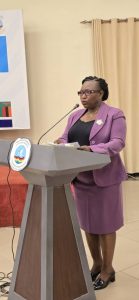
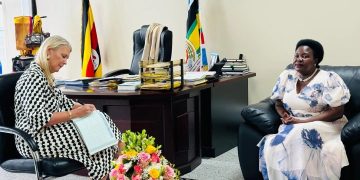
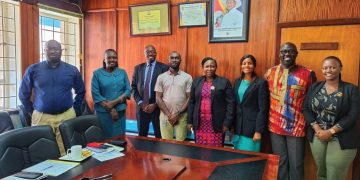
Representing the Permanent Secretary, Ms. Grace Tusiime, Under Secretary MEMD, highlighted Uganda’s progress in implementing several tools, including legislative harmonization, ASM reforms, and promotion of the Extractive Industries Transparency Initiative (EITI).The draft report is expected to serve as a roadmap for aligning national strategies, strengthening regional dialogue, and refining the RINR tools to ensure they remain relevant.
In closing the Kampala workshop, Commissioner Agnes Alaba (MEMD) commended the collaborative spirit of ICGLR states, while ICGLR Executive Secretary Ambassador João Samuel Caholo urged countries to “turn dialogue into action that benefits not just governments, but also local communities who depend on mining for their survival.”
The workshops were organized in partnership with the EU, GIZ, IMPACT and the ICGLR National Coordination Mechanism.