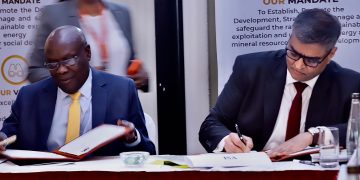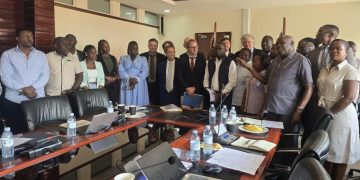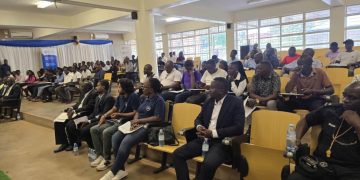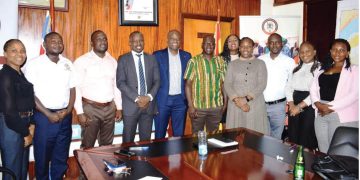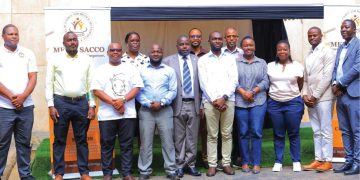

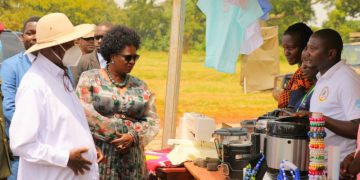
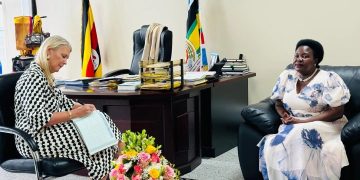
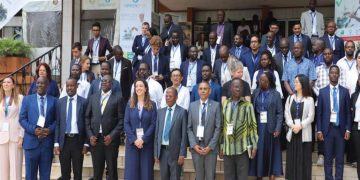
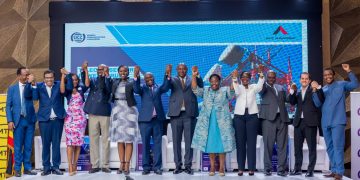

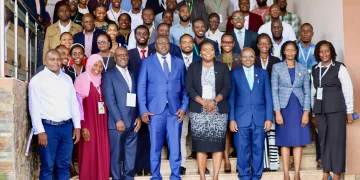
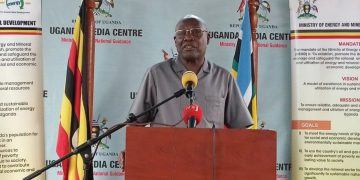
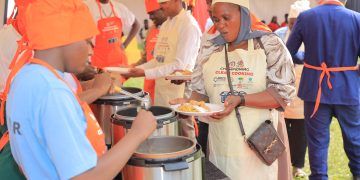
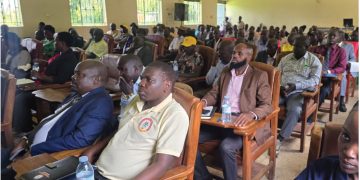
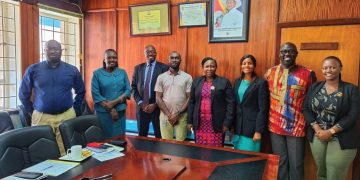
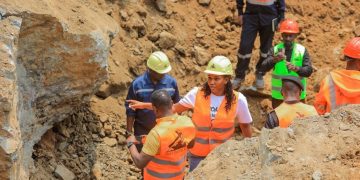
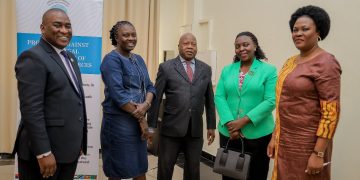
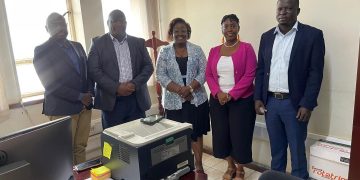

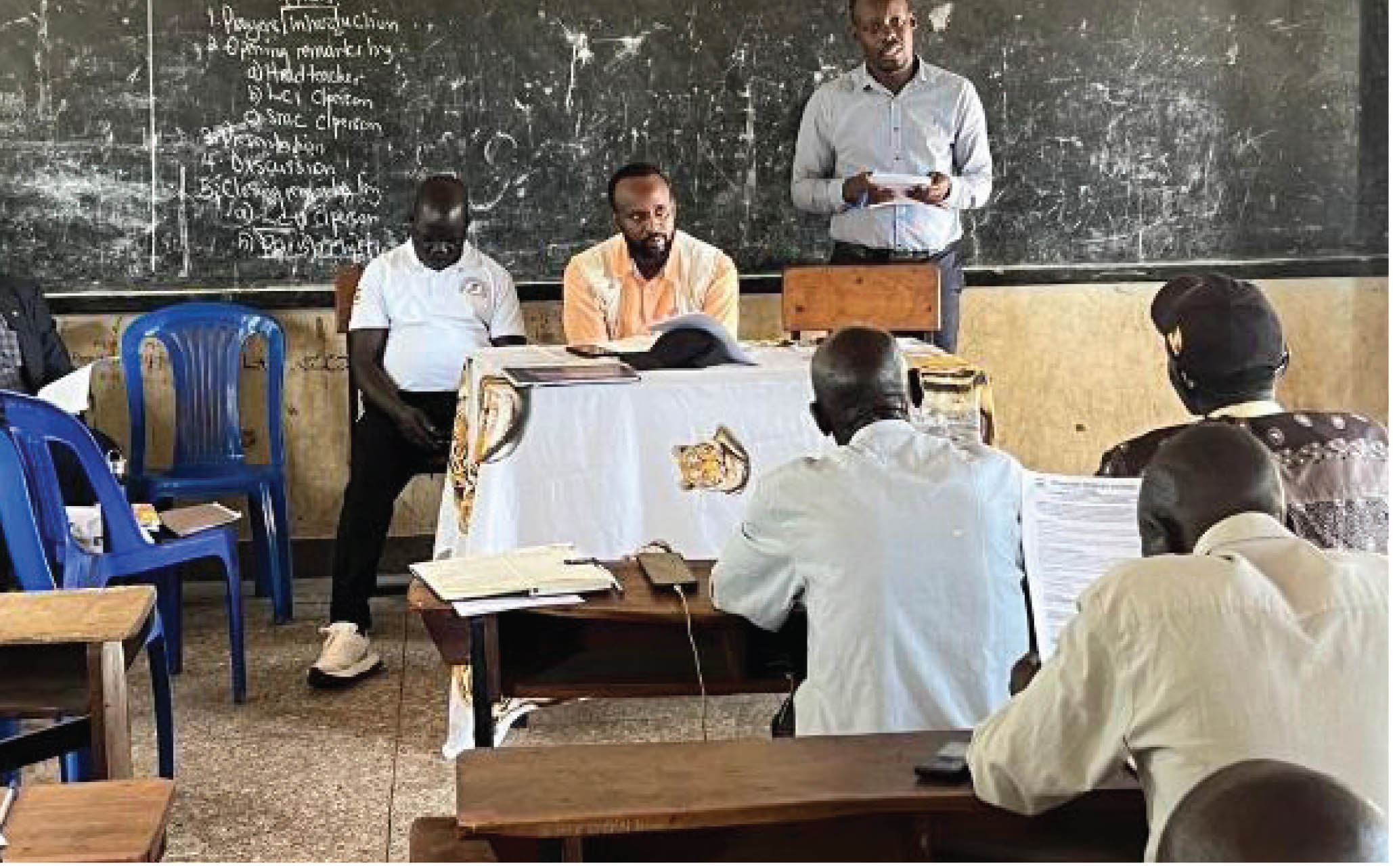
The Ministry of Energy and Mineral Development (MEMD), through its Clean Cooking Unit, joined the Ministry of Education and Sports (MoES) and the World Food Programme (WFP) to conduct baseline assessments on school feeding and clean cooking in selected schools in Gulu and Koboko districts.
The assessments are intended to generate evidence to support the planned expansion of school feeding programmes from Karamoja to Northern Uganda and West Nile, while ensuring that sustainable energy solutions are integrated into programme design and implementation.
Preliminary findings revealed that schools implementing feeding programmes have large enrolments, averaging about 1,200 learners, and consume significant quantities of firewood each term.
Most schools continue to rely on inefficient traditional cooking systems, highlighting the need for improved institutional kitchens and modern clean cooking technologies.
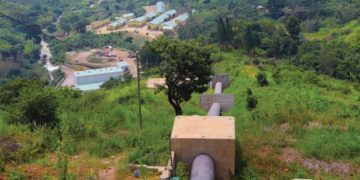
The assessments also showed that parent-led school feeding initiatives are strengthening community participation and creating opportunities for integrated energy solutions, including water pumping, irrigation and other productive uses of energy.
MEMD remains committed to supporting the development of the National School Feeding Policy and promoting clean cooking solutions that improve learning environments, reduce environmental impacts and enhance institutional energy efficiency.